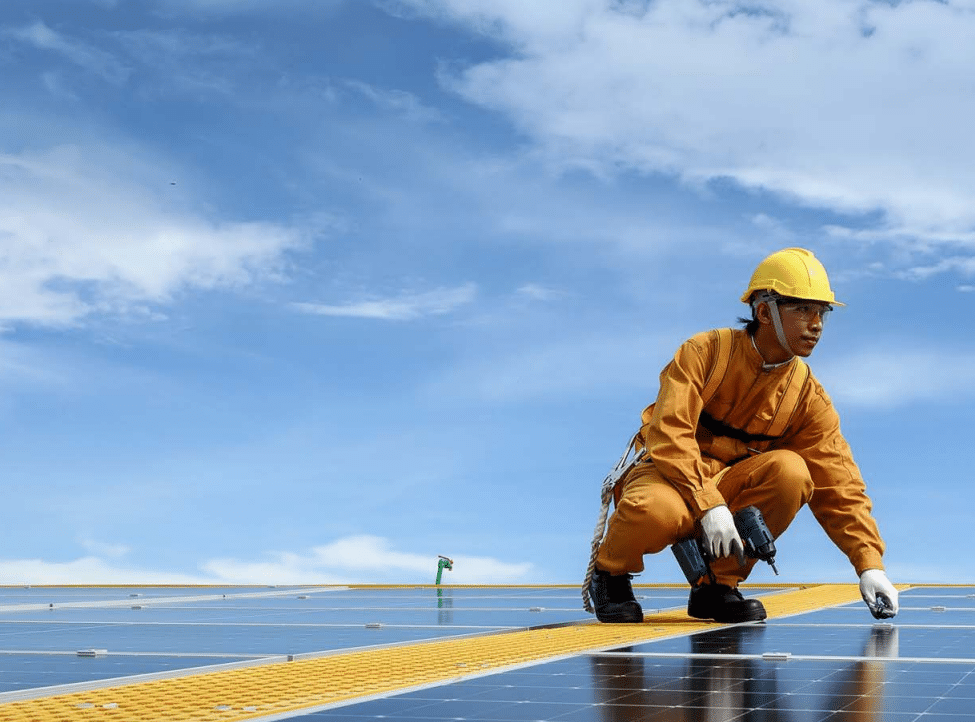
Solar Demand Study in Tonga
Solar Demand Study in Tonga
Assessing the Demand for Rooftop Solar in Tongatapu
The study revealed that while households and businesses are generally aware of solar technologies, they lack a deeper understanding of them and the associated installation, maintenance costs and long-term benefits. Although many are inclined to invest in solar to lower their electricity bills and lessen the impact of power outages, the adoption of installed rooftop solar systems remains limited. The small number of households and businesses that have already invested in rooftop solar are achieving significant savings, and there is a growing interest in expanding their systems to include battery storage. The study categorises the households and businesses into six investment groups: solar poverty, solar unready, solar explorer, solar finance seeker, solar investment ready and solar unsure. These groups are differentiated based on their financial capability and willingness to invest.
This classification provides a strategic framework for promoting rooftop solar initiatives tailored to these distinct levels of readiness and capability, enabling the Government to effectively target groups that could generate substantial economic benefits for the country.
Among the 20 businesses surveyed, spanning various industries, energy bills ranged from (in the Tongan paʻanga currency) TOP1,000 to TOP10,000. Many businesses expressed dissatisfaction with the high rates, which tend to rise annually, even with the recent construction of solar and wind farms in Tonga. They voiced frustration over power outages that disrupt services and result in lost revenue. Those with solar systems noted that the current gross metering does not adequately compensate for damages to their equipment and services or provide adequate compensation for the energy sold back to the grid. Additionally, during outages, households are unable to utilise their own generated energy to remain online. The frequent power interruptions also pose a risk of damaging equipment, and there is no compensation mechanism in place to address this issue.
Businesses are seeking innovative models that allow them to utilise their solar power and sell any surplus to Tonga Power Limited (TPL), along with solutions to mitigate the impact of TPL’s power outages. Some businesses are interested in investing in solar to reduce costs and increase revenue, but they need financial support from the Government or financial institutions due to the high cost and perceived risk of solar rooftop technologies, especially given the frequent natural disasters in Tonga. They have also emphasised the importance of encouraging businesses to adopt insurance.
The study explored various financial support mechanisms in Tonga, including those provided by local banks, retirement funds, and national, regional and international donors, to understand their role in facilitating the adoption of renewable energy technologies. While financial support such as aid from the Pacific Centre for Renewable Energy and Energy Efficiency (PCREEE), Tonga Development Bank (TDB) Loans, and the Canada Fund for Local Initiatives are available, public awareness of these options is limited. Additionally, some support options, such as housing loans, are typically restricted to new home constructions and often come with unattractive interest rates. Moreover, the lack of Government incentives and subsidies remains a significant barrier to progress. Although there is a growing demand for rooftop solar systems, it is crucial to explore tariff models that enable individuals with limited roof space or no available premises to invest in solar through innovative models such as Shared Solar, Solar Partner and Solar Subscription. Furthermore, the Government and TPL should consider alternative billing models, including on-bill financing, net metering or solar leasing, to enhance solar adoption.
The Government should take the lead by providing incentives, such as import tax waivers, and implementing supportive policies. Additionally, there is a need to enhance the dissemination of awareness materials, support local solar companies, and empower financial institutions to integrate renewable energy technologies into their programs. These steps could attract substantial private investment to support rooftop solar adoption and help meet Tonga’s Nationally Determined Contributions (NDCs) and sustainable energy target.
More from Tonga…
New Air Freight Solution for Tongan Agricultural Exports to New Zealand

Vanilla Farming Insights – MORDI Tonga Trust

Economic Impact of International Yachting in Tonga
New Air Freight Solution for Tongan Agricultural Exports to New Zealand